
Maximising Endurance Training in Heat: Essential Hydration and Physiology Insights
Training in hot conditions challenges the body in unique ways. Heat increases the strain on your cardiovascular system, alters sweat and salt loss, and can significantly affect endurance performance. Understanding how to manage hydration and adapt to physiological changes is key to maintaining performance and safety during heat training. This article explores how heat impacts the body, how sweat rate and salt loss vary, and practical hydration strategies to help you train smarter in the heat.
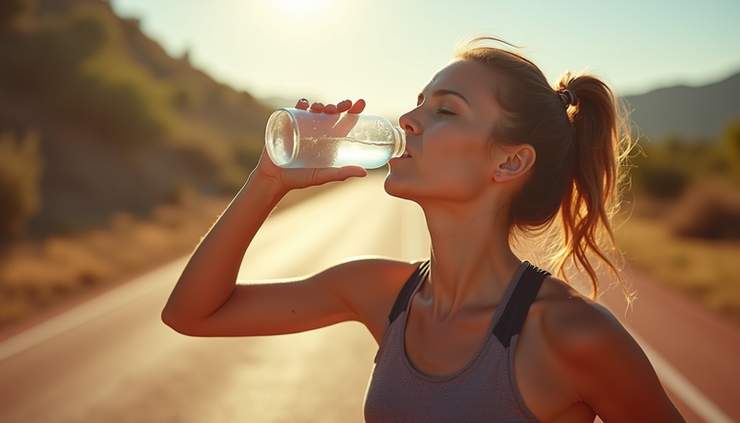
How Heat Affects Physiology During Endurance Training
When you exercise in heat, your body works harder to maintain a stable internal temperature. The core temperature rises, triggering mechanisms to cool down, primarily through sweating and increased blood flow to the skin. This process places extra demand on your heart and lungs.
Increased cardiovascular strain: The heart pumps more blood to the skin to dissipate heat, reducing the blood flow available to muscles. This can lower endurance capacity.
Elevated core temperature: If the body cannot cool efficiently, core temperature rises, increasing fatigue and risk of heat-related illnesses.
Dehydration risk: Sweating leads to fluid loss, which can reduce blood volume and impair performance.
Salt loss: Sweat contains sodium and other electrolytes. Losing too much salt without replacement can cause muscle cramps and impair nerve function.
Understanding these physiological responses helps you adjust your training and hydration to maintain performance and reduce risks.
Benefits of Heat Adaptation Training
↓Heart rate and autonomic nervous system habituation which redirects blood flow to the skin and muscles.
↑Thermal comfort (feeling less hot)
↓Reduced perception of effort
Earlier onset of sweating and ↑ sweat rate
Conservation of sodium chloride (salt)
The benefits of HAT are maintained for approximately 3 weeks, with the potential for individuals to be able to spend up to 3-4 weeks in cooler conditions before the need to readapt
Variation in Sweat Rate and Salt Loss
Sweat rate and salt loss vary widely between individuals and depend on factors such as fitness level, acclimatisation, genetics, and environmental conditions.
Sweat rate: Can range from 0.5 to 2.0 litres per hour during intense exercise in heat. Higher sweat rates increase dehydration risk.
Salt concentration in sweat: Varies from 0.5 to 2.0 grams per litre. Some people lose more salt, which requires tailored electrolyte replacement.
Acclimatisation: Regular heat exposure can increase sweat rate but reduce salt concentration, improving heat tolerance.
Fitness level: Well-trained athletes often sweat more efficiently, cooling better but also losing more fluids.
Measuring your sweat rate can be as simple as weighing yourself before and after exercise and accounting for fluid intake. This helps estimate how much you need to drink to stay hydrated.
Optimal Hydration Strategies for Hot Weather and Heat Adaptation Training
Proper hydration supports cardiovascular function, temperature regulation, and endurance. Here are practical tips to optimise hydration during hot weather or heat training:
Pre-hydrate: Drink 400-600 ml of water 2-3 hours before exercise to start well-hydrated.
During exercise: Aim to replace 60-80% of sweat losses. Use your sweat rate to guide fluid intake. For example, if you lose 1 litre per hour, drink about 600-800 ml per hour.
Include electrolytes: Use sports drinks or electrolyte tablets to replace sodium and other minerals lost in sweat, especially during long sessions. If you don't have electrolyte drinks, you can just add salt to water. Try to match your sodium loss - if you have salt marks on clothes after training you may need more salt than if your sweat is just water loss. You can add 2-5 grams of salt per litre of water.
Post-exercise rehydration: Replace 150% of fluid lost to fully recover. For example, if you lost 1 kg of body weight, drink 1.5 litres of fluid. Again, include electrolytes or salt.
Avoid over-hydration: Drinking too much plain water can dilute blood sodium, causing hyponatremia, a dangerous condition.
Listening to thirst is helpful but not always reliable during intense heat training. Planning fluid intake based on sweat rate and session length is more effective.
Effects of Heat on Endurance Performance
Heat reduces endurance performance by increasing physiological strain and accelerating fatigue. Studies show that even moderate heat (around 30°C or 86°F) can reduce time to exhaustion by 20-30%. Key effects include:
Reduced muscle blood flow: More blood is diverted to the skin, limiting oxygen delivery to muscles.
Increased carbohydrate use: The body relies more on carbs for energy in heat, which can deplete stores faster.
Higher perceived effort: Heat makes exercise feel harder, which can reduce pace and motivation.
Dehydration impact: Losing as little as 2% of body weight in fluids can impair performance and cognitive function.
Training in heat requires adjusting intensity and duration to avoid overexertion. Heat acclimatisation over 1-2 weeks improves tolerance by enhancing sweating efficiency and cardiovascular stability.

Practical Tips to Maximise Training Benefits in Heat
Gradually increase heat exposure: Build up heat tolerance by starting with shorter, less intense sessions.
Monitor hydration status: Use body weight changes and urine colour as simple indicators.
Adjust training times: Train during cooler parts of the day when possible.
Wear appropriate clothing: Lightweight, breathable fabrics help sweat evaporate.
Use cooling strategies: Cold towels, misting fans, ice vests, or ice packs can lower skin temperature.
Plan electrolyte intake: Customise based on your sweat salt loss and session length.
By combining these strategies, you can maintain endurance training quality and reduce heat-related risks.


Comments